Ken Briodagh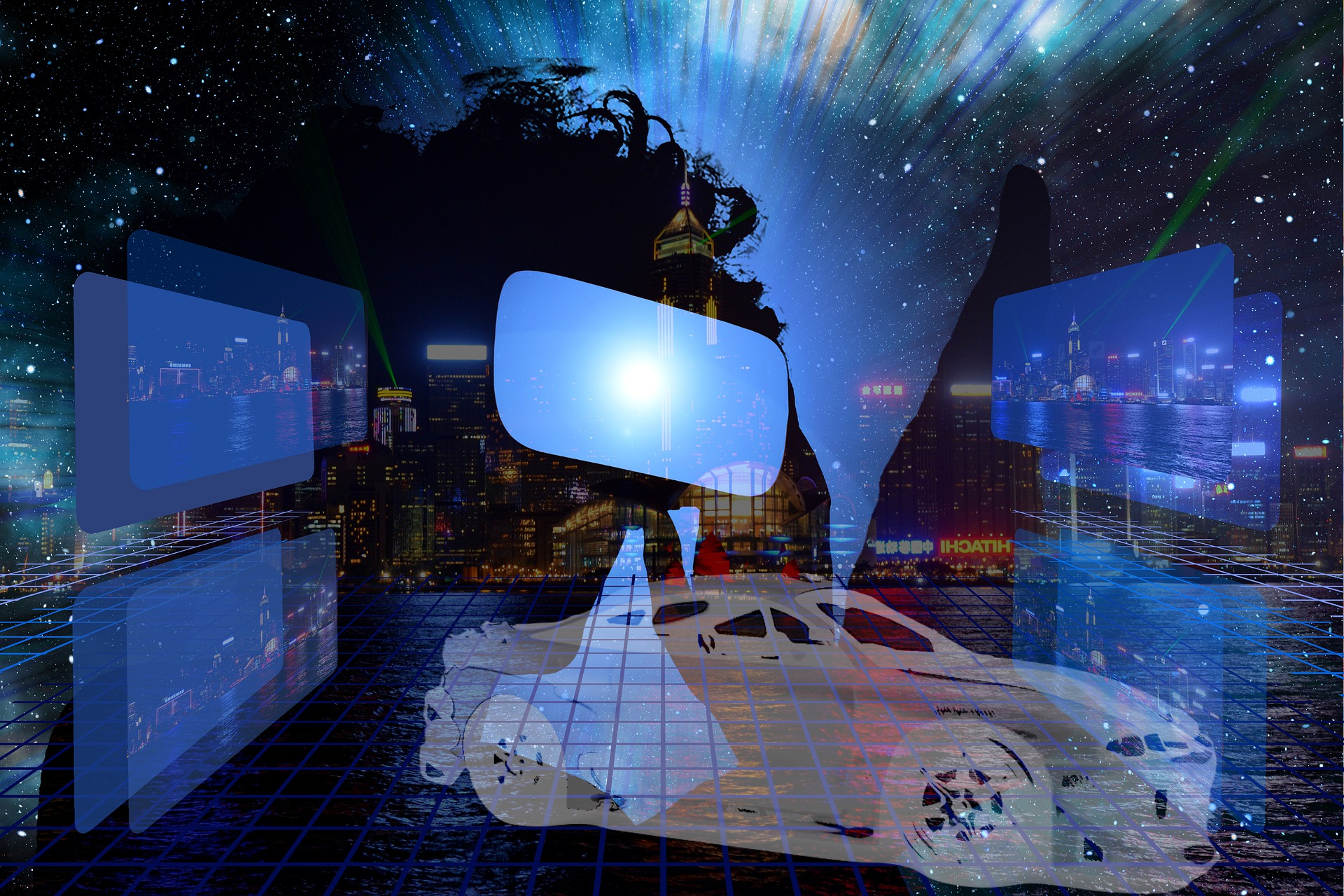
Despite the possible flopping of the Facebook version of the Metaverse, Augmented and Virtual Reality (AR and VR) are becoming ever more prominent as tools in many industrial sectors, and automotive manufacturing is next. The most common uses are for virtualizing testing and proofs of concepts in low-tolerance and dangerous conditions, and the automotive industry is getting into the game, indicates a new market report.
The firm ResearchandMarkets has added a new report, “Impact of the Metaverse on the Automotive Industry – Thematic Intelligence” and that report predicts that the “metaverse” is going to play a major role in the automotive industry by 2035, arriving along with the expected timetable for self-driving vehicles.

According to the report, the metaverse will be a $626.5 billion opportunity by 2030, and the virtual technology’s potential to make on-board media and infotainment more effective and immersive, paired with its ability to test driving conditions and train both human and AI drivers, seems likely to push this digital world from a minor factor towards being a significant enablement technology.
Overlaying content and information on top of the real world, as in AR, or even using window glass to fully display different environments through VR would entirely transform the driving (or more likely, passenger) experience. This report says these technologies are likely to be used to allow consumers to test drive vehicles from anywhere, help manufacturers to test safety features before and during manufacturing, and enhance the ability to tune operational parameters in a digital twin-like virtual space.
Technologies like AR and VR will be pivotal for vehicle safety training and testing, ResearchandMarkets said. Through simulating real-world conditions in digital spaces, original equipment manufacturers (OEM) will simulate vehicle driving under any conditions, from environmental hazards to mechanical failures, all without the safety risks involved in real-world testing. What’s more, they will be able to create real-time digital twins with live driving data that can inform future designs, simulations and processes for ongoing manufacturing and future vehicles.
This metaverse in this case is described as a fully virtual world that is built with a suite of next-generation technologies, including intelligent cloud computing, AI, blockchain, digital twin, cybersecurity, Internet of Things (IoT), VR and AR. It isn’t fully realized in any way, yet, but it seems likely to appear in some format and is widely predicted to be transformative for manufacturing and other industrial sectors.
For more information about this report, click here.